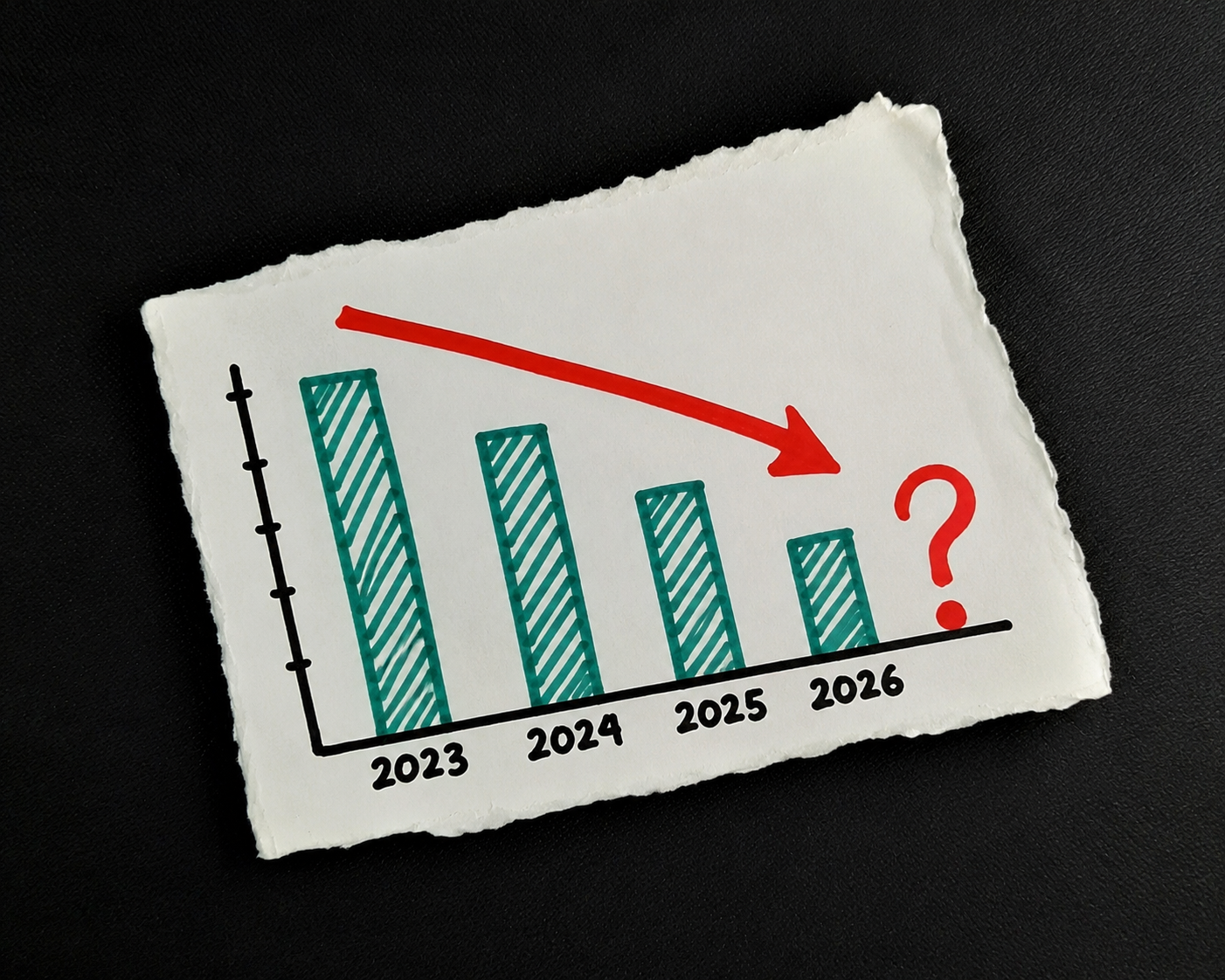
Recession Risk 2026: What Investors Should Expect – The economic climate serves as a crucial backdrop for assessing potential recessions, particularly when looking ahead to 2026. One fundamental indicator to monitor is the inflation rate, which reflects the rate at which prices for goods and services rise over time. Currently, inflation remains elevated, influenced by various factors such as supply chain disruptions and changing consumer demand patterns. Persistently high inflation can erode purchasing power and lead central banks to raise interest rates, which could further slow economic growth.
Next, the unemployment rate serves as another important barometer of economic health. A stable or declining unemployment rate typically indicates a healthy economy, but signs of increasing unemployment may suggest a shift towards recessionary conditions. An uptick in joblessness could reflect a contraction in consumer spending, often a precursor to a broader economic downturn.
Additionally, GDP growth is a critical measure of economic performance. The Gross Domestic Product (GDP) quantifies the total value of all goods and services produced in a country during a given period. A slowdown in GDP growth, particularly if it dips below the long-term average, may indicate a transition into recessionary territory. Investors should closely examine quarterly GDP reports looking for contractions or diminishing growth rates as signals of economic weakness.
Lastly, measuring consumer confidence can provide insight into the prevailing economic sentiment. High levels of consumer confidence typically lead to increased spending, fueling economic growth. However, a decline in consumer sentiment can signal that households are tightening their budgets, which often coincides with reduced spending and economic sluggishness.
Historical Context of Recessions Risk and Their Impacts
Throughout history, recessions have been a recurring feature of economic cycles. These downturns, characterized by a decline in economic activity, have various causes, including financial crises, high inflation rates, and shifts in fiscal or monetary policy. Examining the causal factors behind past recessions provides valuable insights for investors, particularly as we approach potential economic challenges in 2026.
One notable example is the Great Recession of 2007-2009, which was primarily triggered by the collapse of the housing market and a subsequent banking crisis. This period saw unemployment rates soar and consumer confidence plummet, affecting all sectors of the economy. In contrast, the early 2000s recession, often attributed to the burst of the dot-com bubble, highlighted how specific industries, such as technology, can be adversely impacted while others, like healthcare, may remain resilient.
The impact of these historical events extends beyond just immediate economic metrics. For instance, patterns of consumer behavior often shift during recessions, with individuals tending to save more and spend less. This alteration in spending habits can have long-lasting effects on economic recovery and overall market dynamics. Similarly, stock markets typically react adversely to recession announcements, experiencing heightened volatility as investors reassess risk and return potential across various sectors.
Analyzing the economic cycles of the last few decades, such as the post-World War II expansions and the subsequent downturns, reveals certain vulnerabilities within the economy. These cycles often demonstrate that while some sectors may lag significantly, others can adapt more swiftly to changing circumstances. Hence, understanding historical patterns equips investors with the analytical tools needed to navigate future economic uncertainties and adjust their strategies accordingly. By learning from past recessions, one can better anticipate how different sectors may respond in the face of impending downturns in 2026.
Strategic Investment Approaches During Recession Risks
As the potential for recession looms, it is crucial for investors to adopt strategic approaches that can safeguard their portfolios. One of the most effective methods to mitigate risks during economic downturns is through asset diversification. By spreading investments across various asset classes—such as stocks, bonds, and alternative investments—investors can reduce their vulnerability to market fluctuations. This diversification helps in balancing potential losses in one asset class with gains in another, thereby stabilizing overall portfolio performance.
During periods of recession risks, focusing on defensive stocks becomes particularly beneficial. Defensive stocks, which typically belong to sectors such as utilities and consumer staples, tend to perform better in economic downturns. These companies offer essential products and services that sustain demand even when consumer spending declines. Allocating a portion of the portfolio to these stocks can provide a buffer against volatility, ensuring that some level of return is maintained.
Bonds also serve as a crucial component of a recession-resistant portfolio. With lower risk and stable income, government bonds or high-grade corporate bonds can offer a reliable source of returns during uncertain economic times. Additionally, exploring alternative investments, such as real estate or commodities, can further enhance portfolio resilience against recession risks, as these often have low correlations with traditional asset classes.
Maintaining liquidity is another essential strategy. Investors should ensure that they have access to cash or cash-equivalents, which can be critical during economic downturns. Sufficient liquidity allows for flexibility in responding to market opportunities or unforeseen financial needs. Practical tips for risk assessment include regularly reviewing portfolio performance, understanding market conditions, and being prepared with a contingency plan. Establishing such a framework enables investors to navigate the challenges posed by a recession more effectively, securing their financial futures even in turbulent times.
The Role of Government Policy and Global Events
The interplay between government policies, fiscal measures, and global events significantly influences the likelihood of recession. Policymakers play a crucial role in shaping economic conditions through legislative actions and central bank decisions. For instance, potential rate hikes implemented by central banks are intended to curb inflation but may inadvertently slow economic growth. Investors must apprise themselves of such decisions, as a tighter monetary policy often leads to increased borrowing costs, impacting consumer spending and corporate investment.
Furthermore, fiscal measures, such as stimulus spending or tax adjustments, serve as crucial tools for governments during economic downturns. When a country employs stimulus packages, it aims to boost aggregate demand and stabilize the economy. However, the sustainability of such measures is often debated, as prolonged government interventions may lead to increasing national debt, which could ultimately result in unfavorable long-term effects on the economy.
Global events also exert considerable influence on recession risks. Geopolitical tensions and trade policies, for instance, affect international trade and supply chains, which in turn can create economic volatility. The imposition of tariffs or trade restrictions may lead to retaliatory measures from other nations, resulting in a slowdown in global trade and potential economic strain. Investors should closely monitor global relations and policy changes to gauge their potential implications on the economic outlook.
Ultimately, a comprehensive understanding of these factors—government policy shifts, fiscal measures, and the broader geopolitical landscape—is essential for anticipating changes in the market. By staying informed about these elements, investors will be better equipped to adjust their investment strategies in response to shifting economic conditions, ultimately mitigating risks associated with recession.