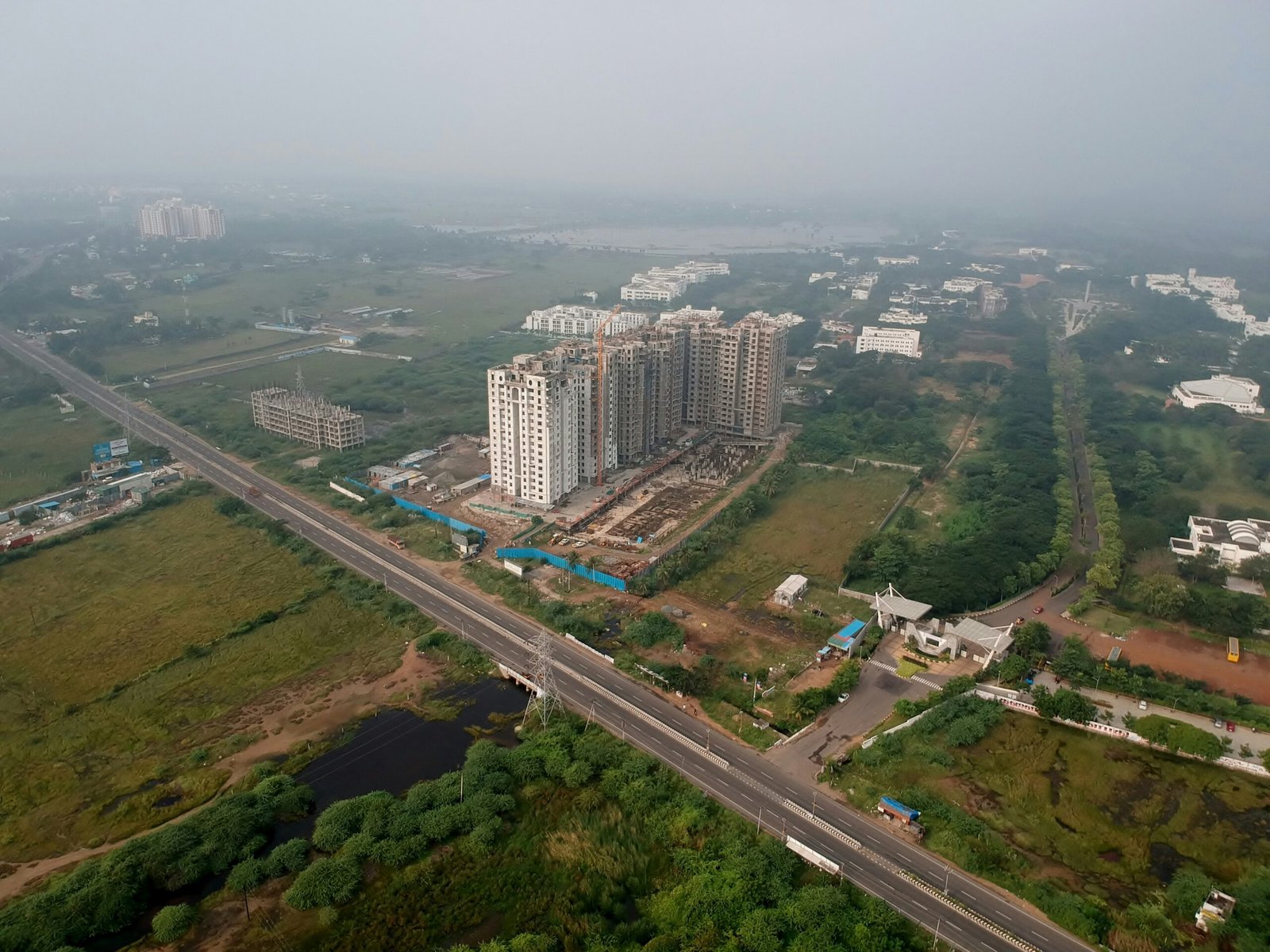
The Impact of Economic Development on Job Creation and Growth – Economic development is a multifaceted process that seeks to enhance the economic well-being and quality of life for a community. It encompasses a range of initiatives aimed at promoting sustainable growth, improving infrastructure, and increasing the overall wealth of a region. Economic development focuses not only on economic growth, which is primarily about the increase in the output of goods and services, but also on creating an environment where businesses can thrive, thus fostering job creation.
One of the primary objectives of economic development is to improve the quality of life for residents. This can be achieved through various measures, including investing in education, healthcare, and public services. By building a more robust social infrastructure, communities can better support their populations and create a more inclusive economy. Furthermore, promoting sustainable practices is essential for ensuring that economic advancements do not come at the expense of future generations. These practices may include prioritizing renewable energy sources, encouraging sustainable agriculture, and maintaining green spaces.
Economic development is driven by a range of policies, programs, and investments designed to stimulate local economies. While economic growth can be a beneficial outcome, it often focuses on the quantitative aspects of GDP and employment rates. In contrast, economic development encompasses a broader perspective that involves qualitative factors such as the distribution of wealth and opportunities within a community. It also emphasizes collaboration between stakeholders, including governments, businesses, and residents, to create strategic plans that foster a vibrant economic landscape. Ultimately, by understanding and implementing effective economic development strategies, regions can achieve holistic growth that benefits all citizens.
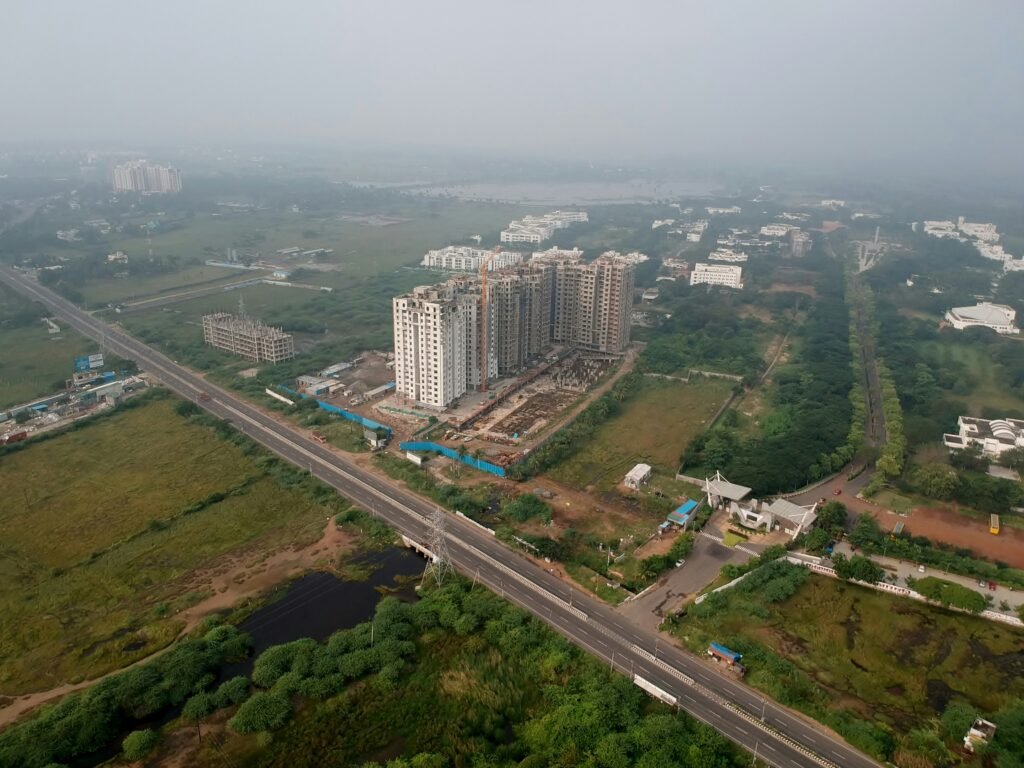
Job Creation through Economic Development Initiatives
Economic development initiatives play a pivotal role in job creation across various regions. By strategically implementing policies that attract businesses, promote entrepreneurship, and invest in infrastructure, local governments and organizations can stimulate substantial job growth. A comprehensive understanding of these strategies reveals their importance in fostering a robust economic environment.
Attracting businesses is one of the primary methods through which economic development initiatives create jobs. Regions that offer competitive incentives, such as tax benefits or grants, often succeed in drawing both startups and established companies. For instance, cities like Austin, Texas, have implemented targeted incentives to attract tech firms, resulting in a significant influx of jobs in the technology sector. Such initiatives not only create immediate employment opportunities but also lead to indirect job creation through the support industries that follow.
Promoting entrepreneurship is another crucial approach to stimulating job creation. Economic development programs that focus on nurturing local startups can lead to vibrant job markets. Accelerators and incubators, which provide mentorship, funding, and resources for entrepreneurs, have been increasingly successful in launching new businesses. A noteworthy example can be found in the entrepreneurial ecosystem of Silicon Valley, where thousands of jobs have been created through innovative companies founded by individual entrepreneurs.
Lastly, investing in infrastructure is essential for sustainable economic growth. By enhancing transportation networks, utilities, and communication systems, economies can support existing businesses and attract new ones. An example is the development of high-speed rail systems, which not only facilitate efficient travel but also create jobs in construction, maintenance, and operations. These infrastructure projects have the potential to serve as long-term job engines for the regions they reside within.
Growth and Prosperity: The Broader Economic Impact
Economic development plays a pivotal role in shaping the landscape of job creation and overall growth within a community. When economic initiatives are effectively implemented, they often lead to an increase in employment opportunities. This, in turn, contributes to higher disposable incomes for individuals and families. As people earn more, their capacity for consumer spending expands, fostering a vibrant local economy.
The increase in consumer spending leads to a multiplier effect, where businesses experience enhanced sales and revenues. This growth can prompt them to reinvest in their operations, leading to further expansions and job creation. Consequently, the cycle continues, with each stage reinforcing the stability and dynamism of the local economy. Furthermore, as businesses thrive, they contribute to tax revenues, which can enhance public services and infrastructure developments that directly benefit the community.
The ripple effects of economic development extend beyond mere statistics; they touch upon the quality of life for residents within the region. With increased employment and disposable income, communities often see improvements in healthcare, education, and social services, which further weeds out economic discrepancies. Enhanced public services and facilities elevate community well-being, making them more attractive places to live, work, and raise families. All these factors work in concert to create an environment where economic stability can flourish, attracting further investments and skilled labor.
In essence, the broader economic impact of development encompasses not only job creation but also sustainable growth, community well-being, and enhanced public services. By focusing on these interconnected elements, stakeholders can aim for comprehensive strategies that foster long-term prosperity and resilience within the economy.
Challenges and Considerations in Economic Development
Economic development plays a vital role in job creation and overall growth; however, it is not without its share of challenges. One significant hurdle is funding limitations. Many economic development initiatives require substantial financial investment, which may not be readily available, particularly in under-resourced communities. Local governments and organizations often grapple with budget constraints that inhibit their ability to implement comprehensive development strategies. Additionally, securing public and private investment can be fraught with difficulties, as potential investors may question the viability of projects in uncertain economic climates.
Political obstacles also pose challenges to economic development efforts. The involvement of various stakeholders—local authorities, state governments, and community organizations—can lead to conflicting interests and priorities. Political instability or lack of support from key decision-makers may stifle development initiatives, resulting in stalled progress and lost opportunities for job creation. Moreover, as policies may change with new administrations, the continuity of programs initially designed to bolster economic growth can be jeopardized.
Another critical consideration is the need for sustainable practices within economic development initiatives. It is essential to create a growth model that supports not only immediate economic benefits but also long-term environmental, social, and economic health. This includes incorporating renewable resources, fostering innovation, and ensuring that development does not disproportionately impact marginalized communities. Inclusive growth is paramount; strategies must benefit all segments of the population, thereby mitigating disparities in employment and income.
As the global economy evolves, adapting to technological advancements and shifts in economic conditions will be vital. Continuous evaluation of strategies will help ensure that challenges are met with effective solutions, promoting resilience and sustainability in economic development efforts. In light of these challenges, addressing them strategically will pave the way for more robust discussions on fostering effective community growth and job creation across various economic landscapes.